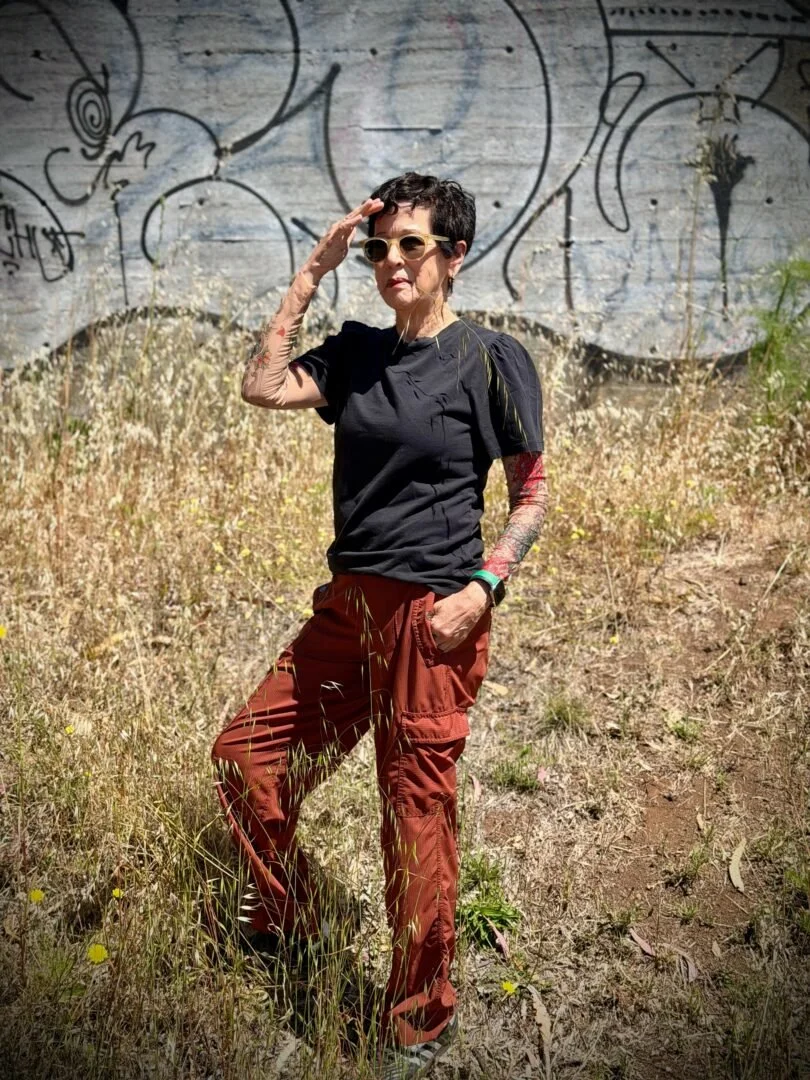

We were lucky to catch up with Norma I. recently and have shared our conversation below.
Norma, we’re thrilled to have you sharing your thoughts and lessons with our community. So, for folks who are at a stage in their life or career where they are trying to be more resilient, can you share where you get your resilience from?
I learned early on to keep going through uncertainty. As a little girl I moved with my mother and brother from Puerto Rico to the midwest. Moving as a Spanish speaking girl made me aware of what it felt like to be in between two cultures.
I was learning a new language while holding on to the one that felt like home. This early experience shaped my sensitivity to belonging and identity.
Thanks, so before we move on maybe you can share a bit more about yourself?
I’m an artist, photographer and educator whose roots trace back to Puerto Rico, and that heritage has shaped nearly everything I’ve made. I work primarily in analog, social documentary photography — I’m drawn to long-term, sustained relationships with the people and communities I photograph rather than quick, one-off images. That patience is the thread running through my three major bodies of work.
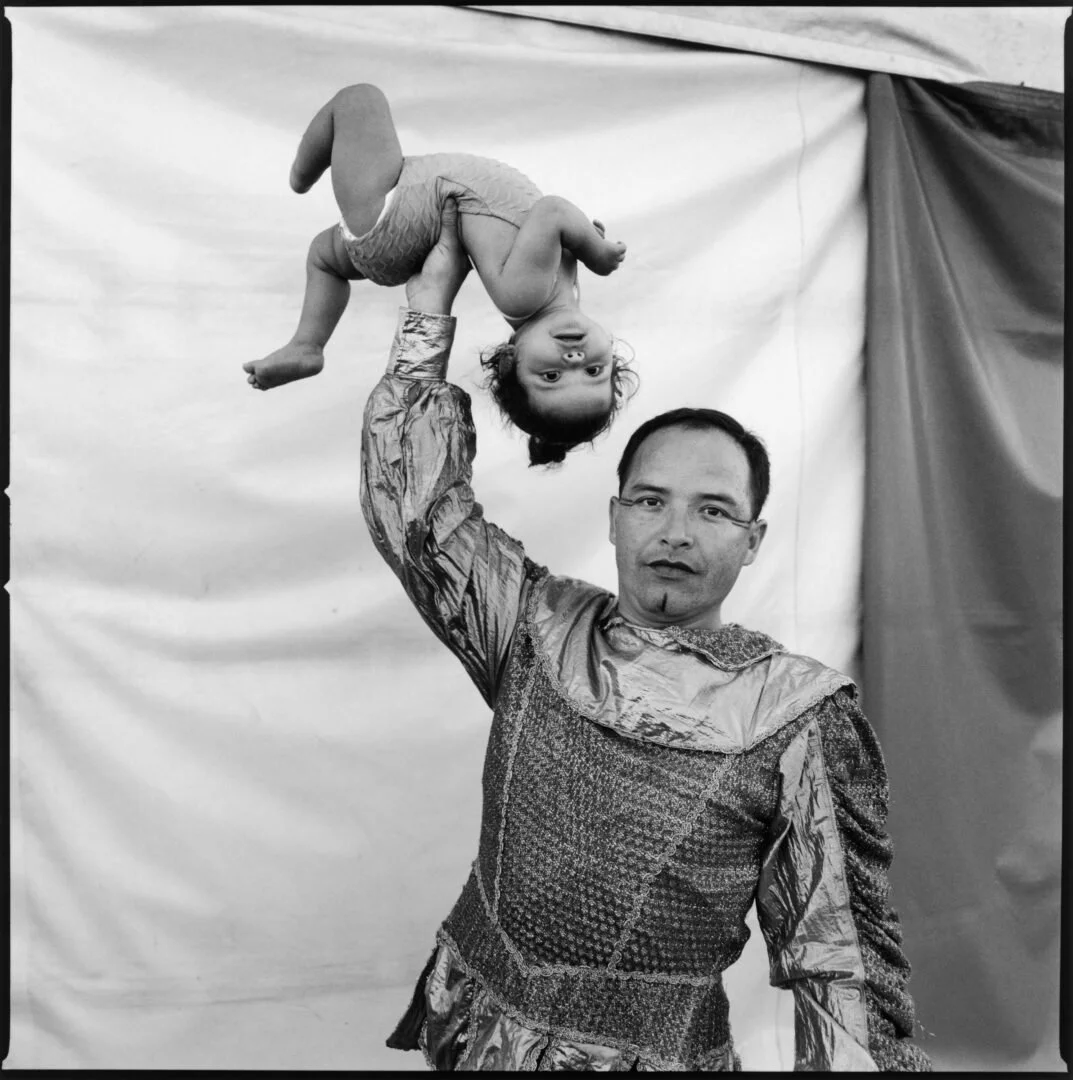
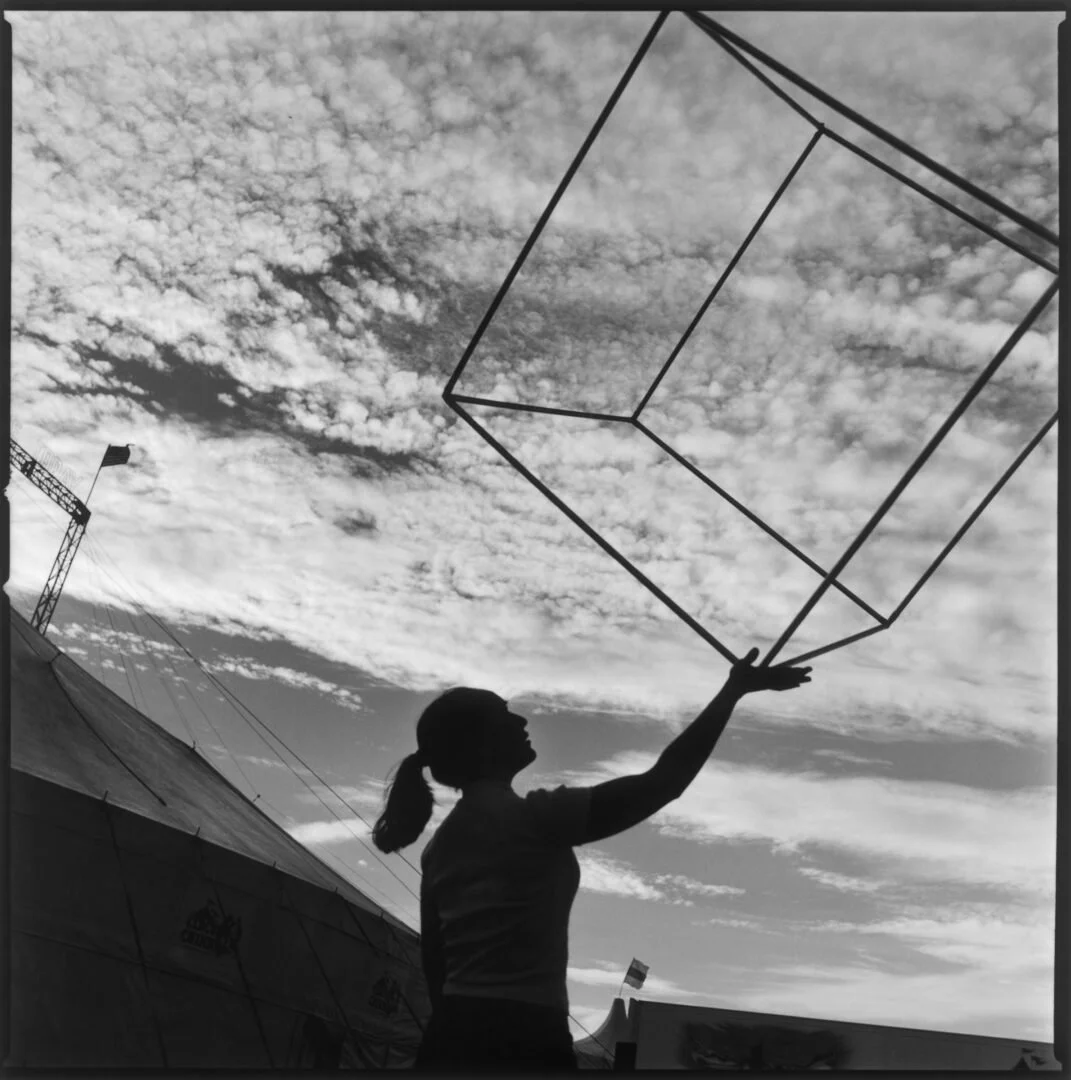
For more than a decade, I photographed the families of artists and performers in an American traveling one-ring circus, creating an intimate black-and-white portrait of a life lived in motion. In Circus: A Traveling Life, I worked behind the scenes and offstage, using available light to document the humor, tenderness, labor, and resilience that shaped this close-knit community. The resulting work was published as my first monograph by Damiani Editore in Italy, with an introduction by Mona Simpson and design by Yolanda Cuomo. [View the book at Damiani Editore] [damianibooks]
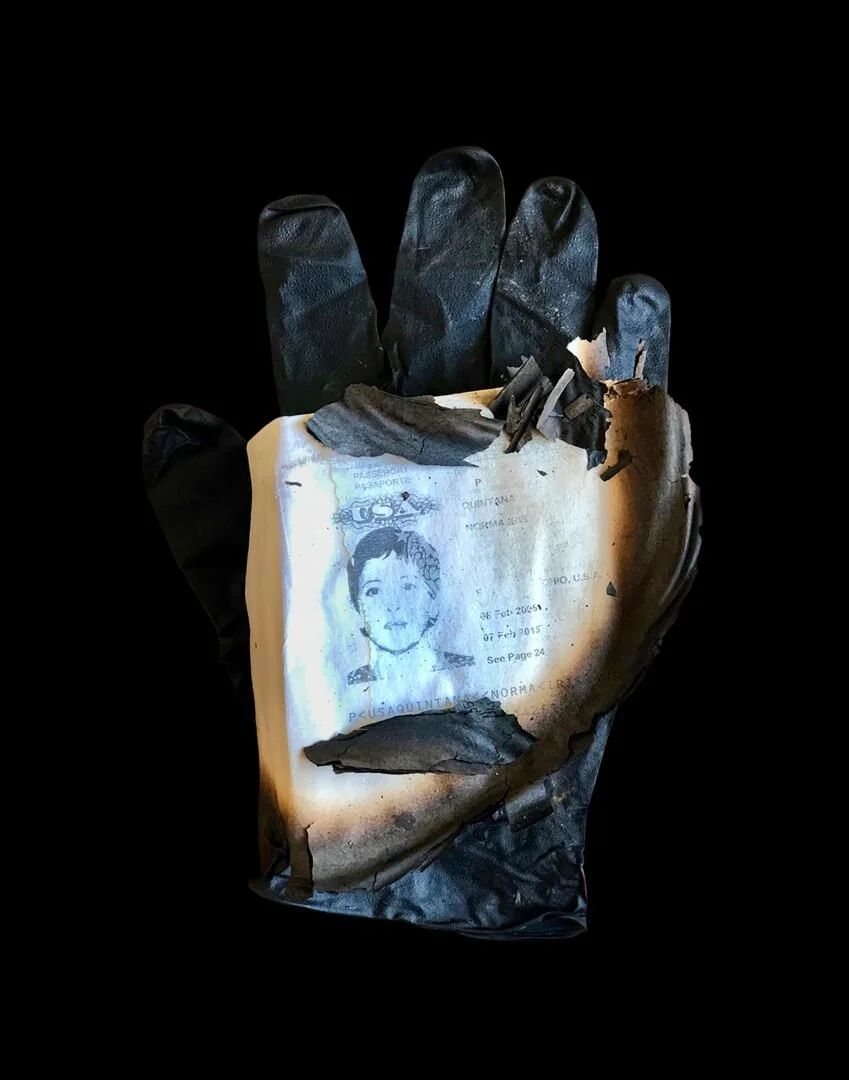
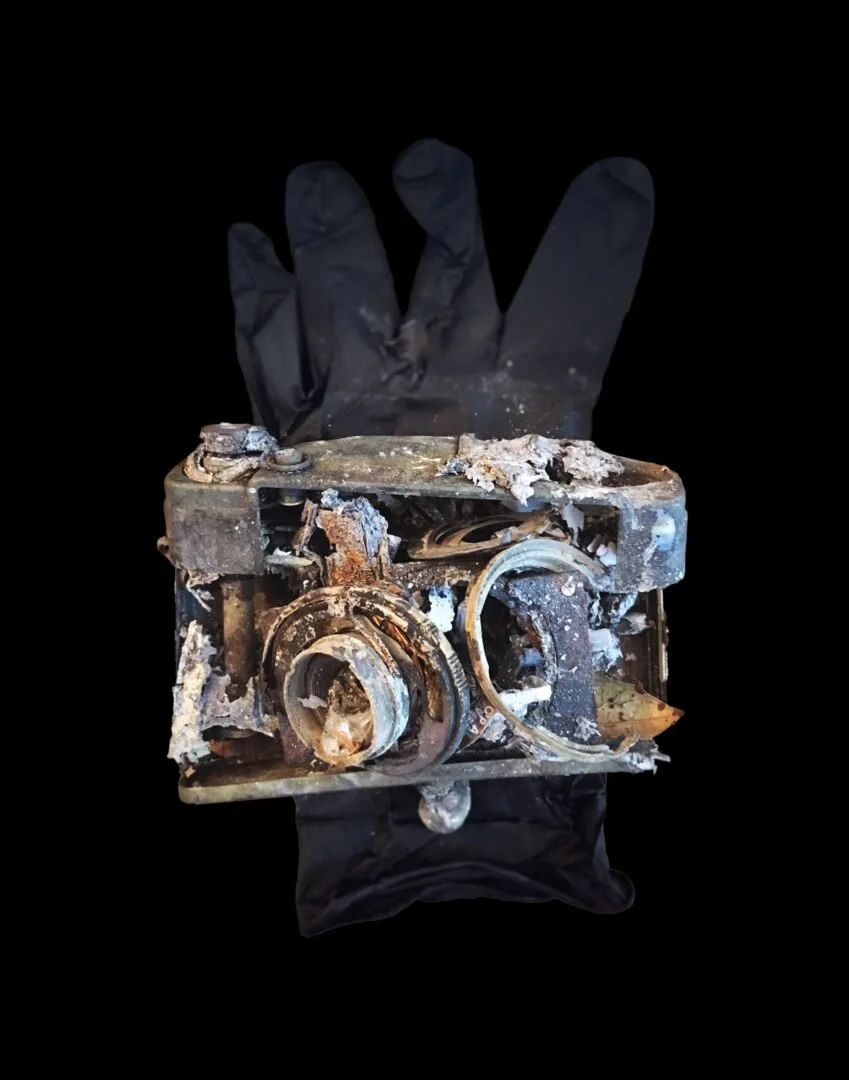
In 2017, the Atlas Peak Fire destroyed my home and studio in Napa. In the aftermath, I began photographing what remained with my iPhone, an impulse that grew into Forage From Fire. Born from loss and the intimate act of sifting through remnants, the series reflects a period in which my resilience was profoundly tested. The work continues to explore trauma, memory, and the possibilities of personal transformation. Through objects salvaged from the ashes of her home and transformed personal loss into a voice for the human impact of climate change, revealing how its devastation reaches into our homes, memories, and sense of belonging.
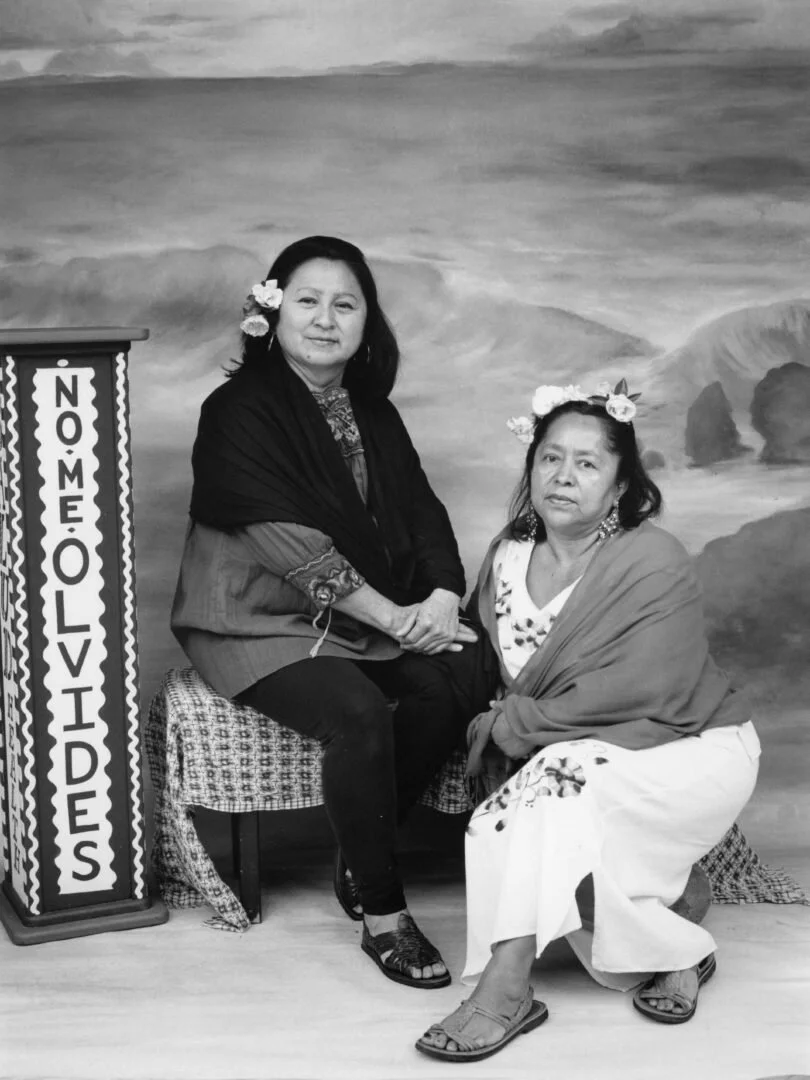
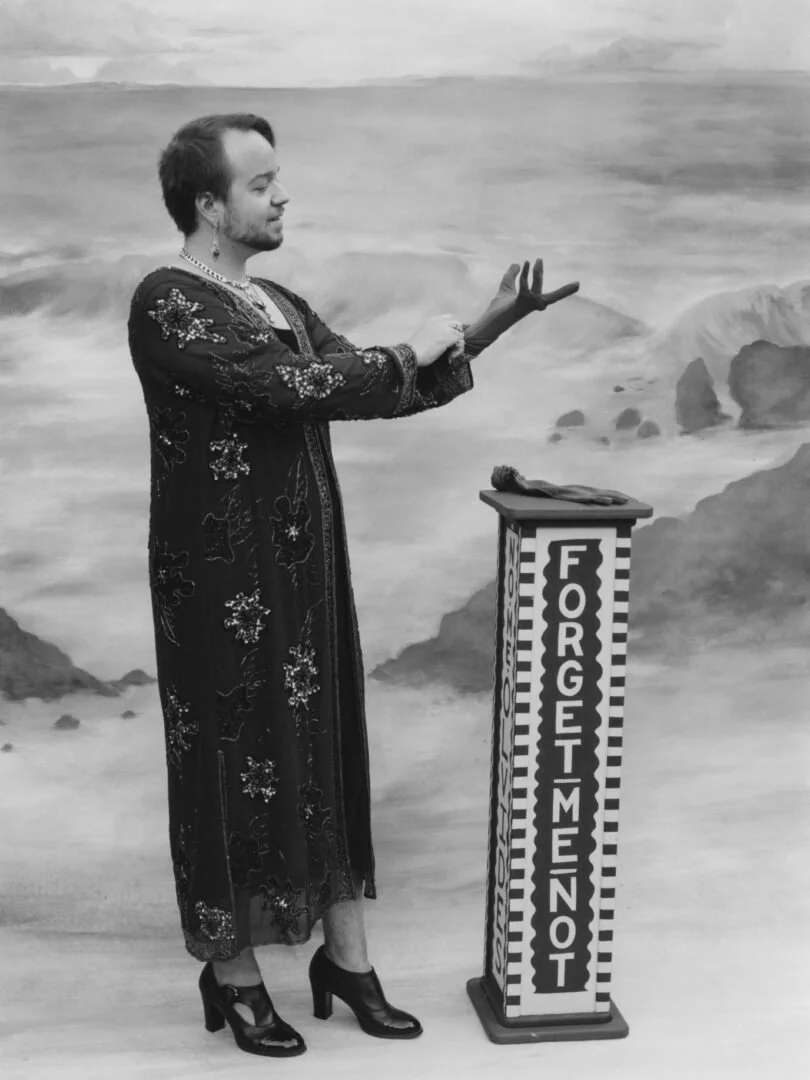
My current and most personal project, Paradise of Memory / Paraíso de la Memoria, has been in development since 2004 and is rooted in my family’s immigration story from Puerto Rico. As a child, I traveled with my family to visit relatives in Lares, where an itinerant photographer made our portrait in the island tradition of the recuerdo—a studio-made keepsake created to be sent to loved ones on the mainland.
That formative memory became the foundation for this ongoing body of work. I recreate the hand-painted seaside backdrop from those early photographs and invite members of my present-day community to be photographed before it, creating portraits that connect memory, identity, migration, and belonging across generations.
What I love most about Paradise of Memory is that it treats memory not as something fixed we simply inherit, but as something we actively build — piece by piece, portrait by portrait. Photography for me isn’t only about preserving what was true; it’s about tracing what remains — the gestures, the spaces, the light, the emotional resonance that lingers after a moment has passed.
It is deeply exciting to see Paradise of Memory / Paraíso de la Memoria live in different cultural contexts. The project has been exhibited at di Rosa Center for Contemporary Art in Napa and at the American University Museum in Washington, D.C., and most recently opened as a solo exhibition at the Sonoma Valley Museum of Art. Watching the work resonate with audiences far from Puerto Rico, while continuing to speak to universal experiences of family, migration, memory, and longing, has been one of the great rewards of this project.
Paradise of Memory / Paraíso de la Memoria* is now becoming a monograph. I am currently working on the photography book, which will bring together two decades of the project in a single collection for the first time. Designed by acclaimed graphic designer Yolanda Cuomo—who also designed my first monograph, Circus: A Traveling Life—the book feels like a natural next chapter for a body of work that has been unfolding since 2004. I am honored to shape these photographs, memories, and stories into a form that readers can hold, revisit, and return to over time.
Alongside the book, the exhibition Paradise of Memory / Paraíso de la Memoria was on view at the Sonoma Valley Museum of Art in Sonoma, CA, running through September.
Looking ahead, I would love to see my photographic series travel, reaching new audiences and opening conversations about memory, loss, and resilience. I welcome connections with curators, museums, galleries, and cultural organizations, as well as opportunities to share the work through exhibitions, collaborations, and other platforms. For me, part of the work’s continuing life is in the conversations and connections it inspires.
There is so much advice out there about all the different skills and qualities folks need to develop in order to succeed in today’s highly competitive environment and often it can feel overwhelming. So, if we had to break it down to just the three that matter most, which three skills or qualities would you focus on?
The first is patience — specifically, the patience to earn trust rather than rush a story. My circus project took ten years. I could have photographed from the stands and walked away with something in a week, but the real work only started once I stopped being a visitor and became someone the performers trusted enough to let their guard down around. My advice to anyone starting out: don’t chase the fast version of a story. Pick one subject you care about and commit to staying with it far longer than feels comfortable. The material that matters usually shows up after people stop performing for you.
The second is having a foundation outside the craft itself. My background in the social sciences gave me a way of thinking about people and about the margins of a community that shaped everything I later did with a camera. Studying under Mary Ellen Mark, Graciela Iturbide, and Shelby Lee Adams sharpened my technique, but it was that earlier grounding that gave me a reason to point the camera where I did. My advice: don’t wall off your formal education from your creative work. Look for what you already know how to see, and let that guide your eye.
The third is resilience — the ability to keep making work through loss instead of letting loss stop you. When the Atlas Peak Firestorm took our home and studio in 2017, I had almost nothing left — not even my cameras, just my iPhone. Instead of only grieving, I found myself photographing the remnants I pulled out of the ash, one by one, and that became Forage From Fire. My advice to people early in their journey: build the habit now of processing hard things through what you make, not just privately and apart from it. You won’t feel ready when the moment comes, but that instinct — to keep working, even on the thing that hurt you — is what will carry you through the worst years of a career.
Okay, so before we go, is there anyone you’d like to shout out for the role they’ve played in helping you develop the essential skills or overcome challenges along the way?
The people who have been most helpful in my growth have been my family, mentors, teachers, fellow artists, close friends, and the many individuals who have trusted me with their stories.
My family gave me an early understanding of the importance of memory, resilience, and paying attention to the lives of others. My parents, Ismael Quintana and Mercedes Quintana, were my first true supporters, encouraging my creative path and affirming the value of seeing and honoring the world around me. As immigrants who traveled from Puerto Rico to the mainland United States, they also instilled in me a deep awareness of migration, displacement, and the enduring ties between home, family, and place. Those values continue to guide my work, especially my portrait projects, which often begin with conversations about family photographs, cherished objects, and the people we continue to carry with us.
I have also been fortunate to learn from teachers and mentors who encouraged me to take my work seriously, trust my instincts, and remain open to experimentation. They helped me develop the technical discipline of working with film and in the darkroom, but just as importantly, they taught me that an artistic practice requires patience, persistence, curiosity, and the willingness to keep working through uncertainty. Some of my mentors include, Sally Mann, Graciela Iturbide from Mexico.
My fellow artists and creative community have been equally essential. Being in conversation with people who understand the challenges of sustaining a creative life has helped me remain grounded and motivated. I am especially grateful to curator Ann Trinca and to my studio assistants, including artist Mary Graham, whose insight, care, and practical support have helped sustain the work. Their feedback, generosity, and encouragement have reminded me that artistic practice does not happen in isolation—it grows through exchange, collaboration, and community.
I am also deeply grateful for the close friendships that have sustained me throughout my life and work. Friends such as photographers Jane Baldwin and Lonnie Graham have supported me through personal and professional challenges, offering encouragement, honest perspective, laughter, practical help, and a sense of belonging when I needed it most. Their friendship has strengthened my resilience and reminded me that success is not only an individual accomplishment—it is also shaped by the people who stand beside us, believe in our work, and help us find our way forward. Many of these enduring friends have also become valued collectors of my work.
Finally, the people I photograph—the sitters who have entrusted me with their presence, histories, and stories—have taught me a great deal. Their trust asks me to listen carefully, approach each portrait with humility, and honor the complexity of their lived experiences. Their openness has deepened not only my work as an artist, but also my understanding of empathy, connection, and the responsibility that comes with representing another person’s story. I remain in touch with many of the people I have photographed over the years, and those ongoing relationships continue to shape and enrich my practice.
Contact Info
Website https://normaiquintana.com
Instagram https://www.instagram.com/normaiquintana/
Facebook https://www.facebook.com/norma.i.quintana.2025
Linkedin https://www.linkedin.com/in/normaiquintana/
Youtube https://www.youtube.com/@normai.quintana9323
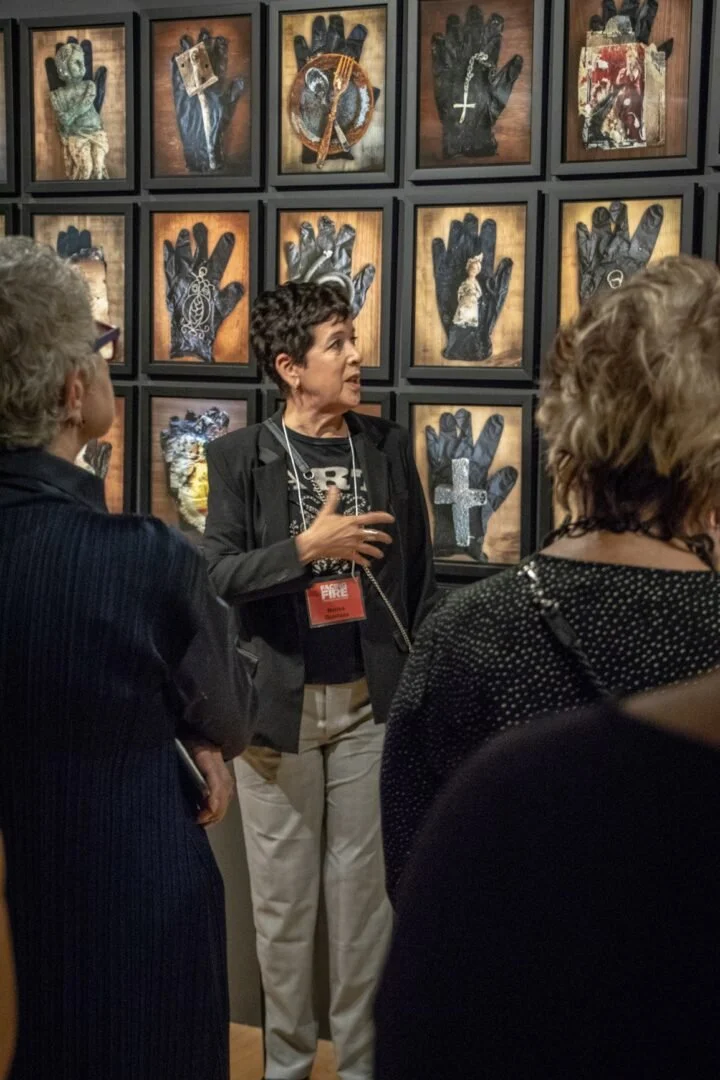
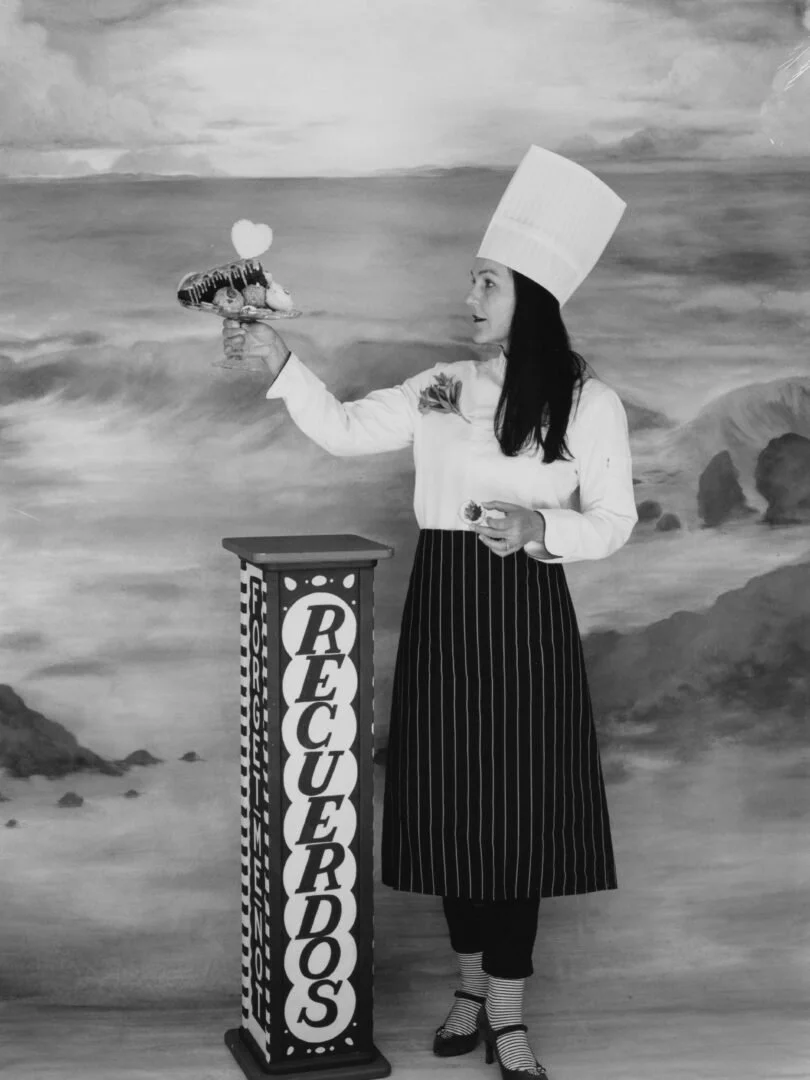
Image Credits
All works by Norma I. Quintana
Lecture image by Ann Trinca
Suggest a Story: BoldJourney is built on recommendations from the community; it’s how we uncover hidden gems,
so if you or someone you know deserves recognition please let us know here.